
Which Roast Has More Caffeine: Dark or Light Roast?
Many assume that lighter-roast coffees contain more caffeine than darker roasts. But is this really true? Let’s examine the impact of roasting on caffeine content and dispel some common misconceptions. Through this blog article, you’ll discover that the way coffee is roasted and its influence on caffeine content reveals a much more nuanced truth than one might imagine.
Understanding the Roasting Process
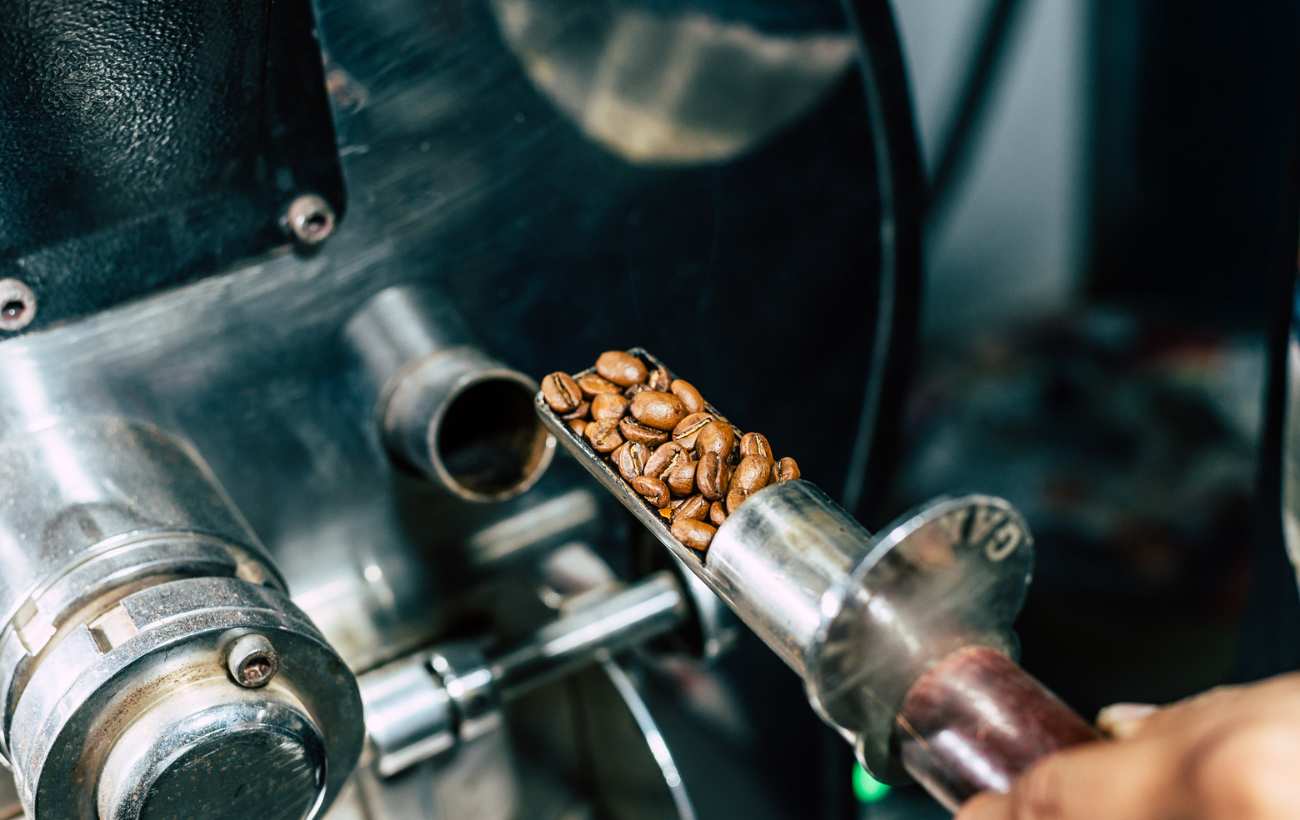
Before delving further, it’s essential to understand what happens during the coffee roasting process. In essence, this is where green coffee beans transform into the aromatic brown beans you’re familiar with. As you might guess, the longer the beans are roasted, the darker they become, influencing not only their color but also their taste, aroma, and caffeine content.
Debunking the Caffeine Myth
Now let’s address the myth that lightly roasted coffees contain more caffeine than darkly roasted coffees. This misconception stems from the belief that caffeine is lost during the roasting process. However, this is not the case: the roasting process itself does not affect the caffeine content of the beans. In fact, a study shows that the caffeine content remains very stable regardless of the degree of roasting. This is because most roasts found on grocery store shelves do not exceed 482°F, while caffeine only begins to break down at around 600°F. Therefore, regardless of whether the coffee is light-roasted or dark roasted, the caffeine content will remain the same.
The Effect of Density on Caffeine Measurement
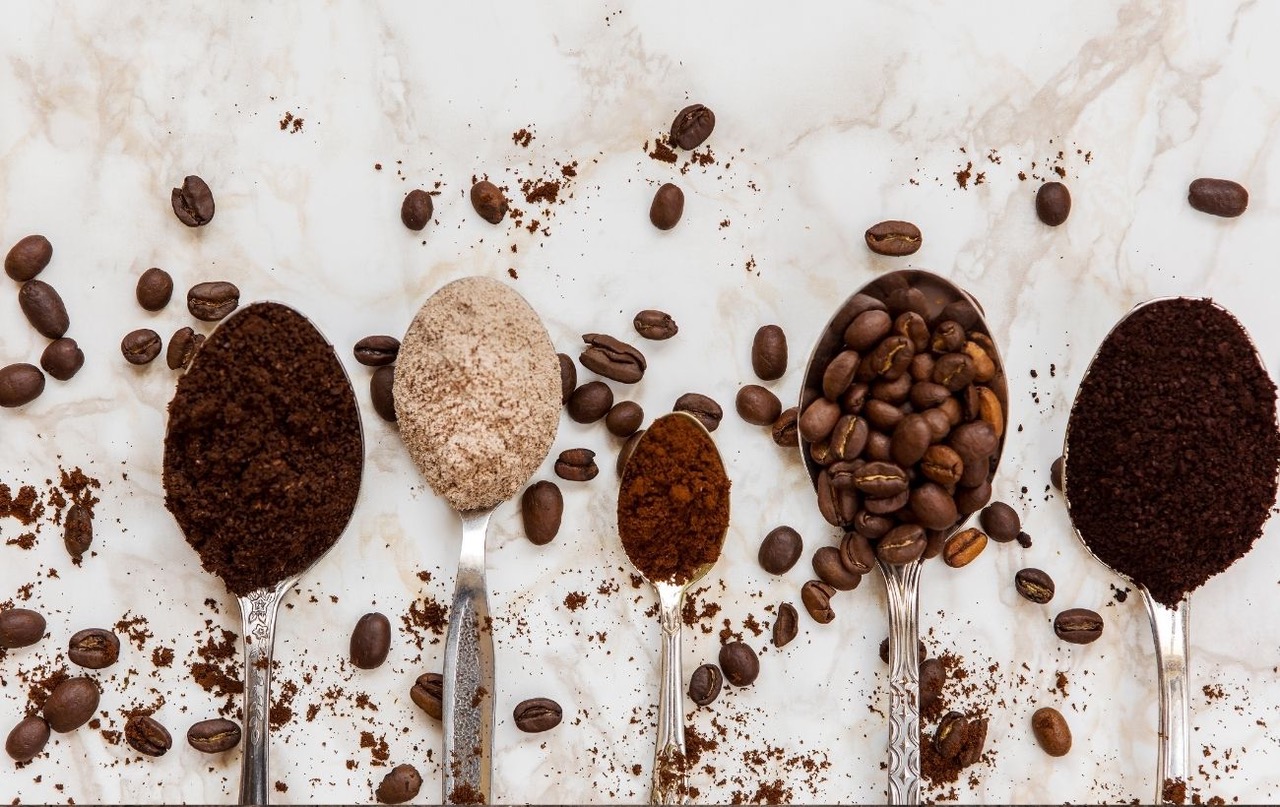
Another factor that may have fueled this myth is the density of the beans. Allow us to explain: lightly roasted beans retain more of their initial moisture, making them denser than darkly roasted beans. Therefore, when coffee is measured by volume, the same amount of light roasted beans will contain more caffeine than the equivalent quantity of dark roasted beans because the denser light roasted beans take up more space compared to the less dense dark roasted beans. However, if you weigh your coffee instead of measuring by volume – the preferred method for greater accuracy – the caffeine content of light and dark roasts will be virtually the same.
What Studies Reveal
Numerous scientific studies back this up. In fact, research has shown that the difference in caffeine content between light and dark roasted coffees is truly minimal when beans are measured by weight. As a result, the choice between light and dark roast should be based on taste preference rather than targeted caffeine content.
Flavor Profiles of Different Roasts
While a myriad of chemical compounds contribute to the taste and aroma of coffee, the type of roast has a significant impact on the overall sensory experience of coffee. While light roasts often offer brighter, more acidic notes and better preserve the original flavors of the coffee bean, dark roasts tend to have a fuller body and richer, bolder flavors due to the caramelization of sugars in the coffee bean.
Final Thoughts
Ultimately, your choice of coffee should be based on your personal preferences rather than hearsay about the caffeine content of different roasts. We invite you to visit our online store to find the coffee that is perfect for you.
***
Sources
- Olechno, E., Puścion-Jakubik, A., Zujko, M. E., & Socha, K. (2021). Influence of Various Factors on Caffeine Content in Coffee Brews. Foods (Basel, Switzerland), 10(6), 1208. https://doi.org/10.3390/foods10061208