
What Is Coffee Aroma and How Do You Describe It?
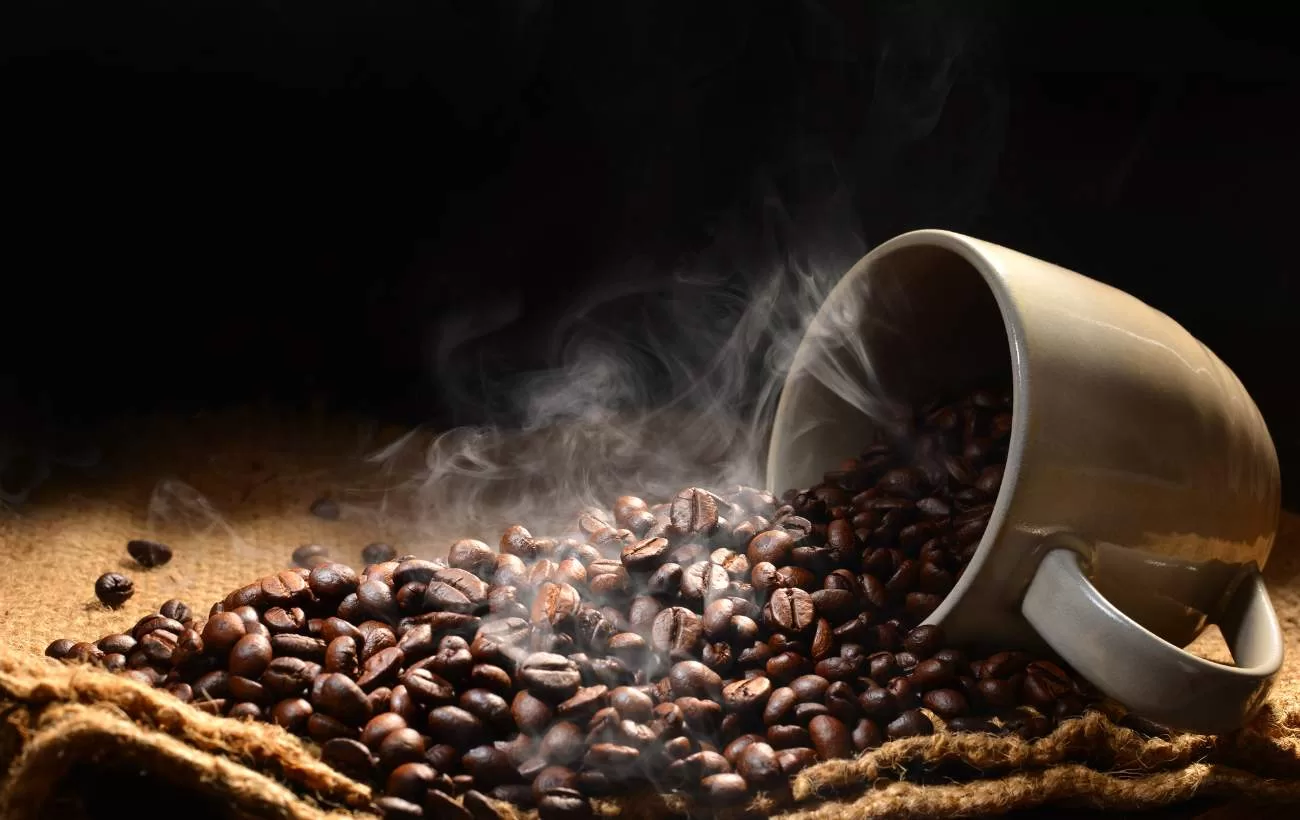
The smell of coffee is something we all instantly recognize. Describing it can be quite challenging. It’s not one scent, but rather a combination of various smells that come together to create the unique fragrance we associate with coffee. Let’s dive into the world of coffee aromas and discover how to put them into words.
The Science Behind the Smell
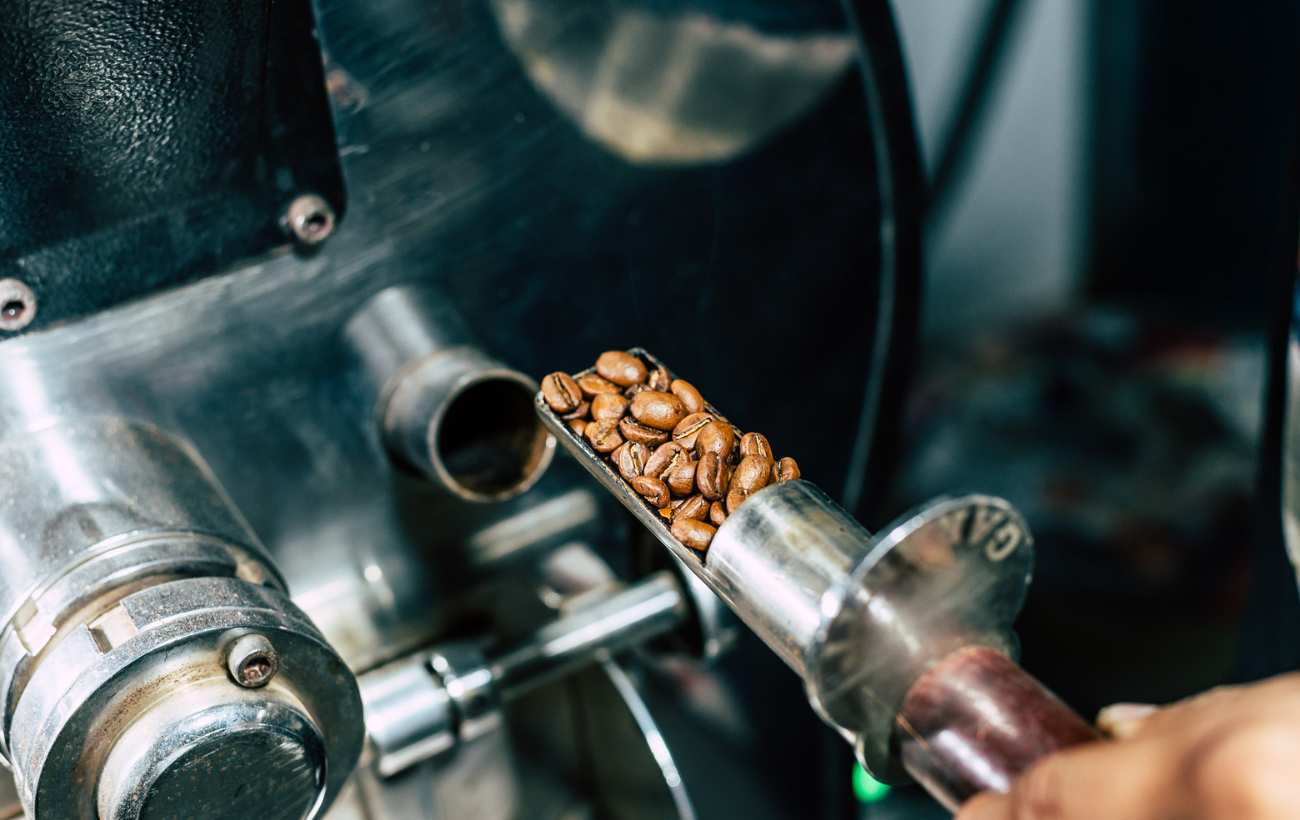
Coffee aroma doesn’t come from the beans themselves but the volatile compounds released during roasting. There are more than 800 volatile compounds identified in coffee, leading to a myriad of aromas.
- Roasting: During the roasting process, the compounds inside the green beans undergo chemical changes, releasing aromatic compounds.
- Grinding: When you grind the beans, you increase the surface area, allowing more compounds to escape, intensifying the aroma.
- Brewing: The brewing method and temperature can further influence the aromatic profile, enhancing or diminishing specific notes.
Describing Coffee Aroma
Describing the aroma of coffee is often done using a flavor wheel. It divides the smells into categories, like nutty, floral, spicy, and more. Here are some common descriptors:
- Fruity: Think of berries or citrus, depending on the bean and roast.
- Earthy: This aroma can be reminiscent of fresh soil or damp wood.
- Nutty: Almond, hazelnut, or other nuts might come to mind.
- Spicy: Some coffees carry notes of cinnamon or cloves.
- Floral: Lighter roasts might evoke the smell of flowers or herbs.
The Connection Between Aroma and Taste
The sense of smell plays an essential role in taste perception. When you drink coffee, the aroma interacts with the taste receptors on your tongue to create a rich flavor experience. As a result, when our nose is blocked, we tend to lose the ability to fully taste foods and beverages, including coffee.
Aromas and Coffee Quality
Coffee professionals use aroma as a quality indicator. A skilled coffee taster, or ‘cupper’, can detect defects or determine the origin of a coffee bean by its aroma. It’s an art form that takes practice and a refined olfactory sense.
Conclusion
The aroma of coffee is not only a delicious sensory experience, it’s also a captivating blend of science and art. Understanding and appreciating its aroma can not only enhance your enjoyment, but also give you insight into the quality and characteristics of the coffee you’re drinking. So, the next time you pour yourself a cup, take the time to inhale deeply and fully appreciate its aroma. It’s a part of the coffee experience that’s well worth savoring.